

Learn more about our sessions and speakers!
Please note: This section may not work correctly on mobile devices, we recommend visiting on a desktop or laptop computer
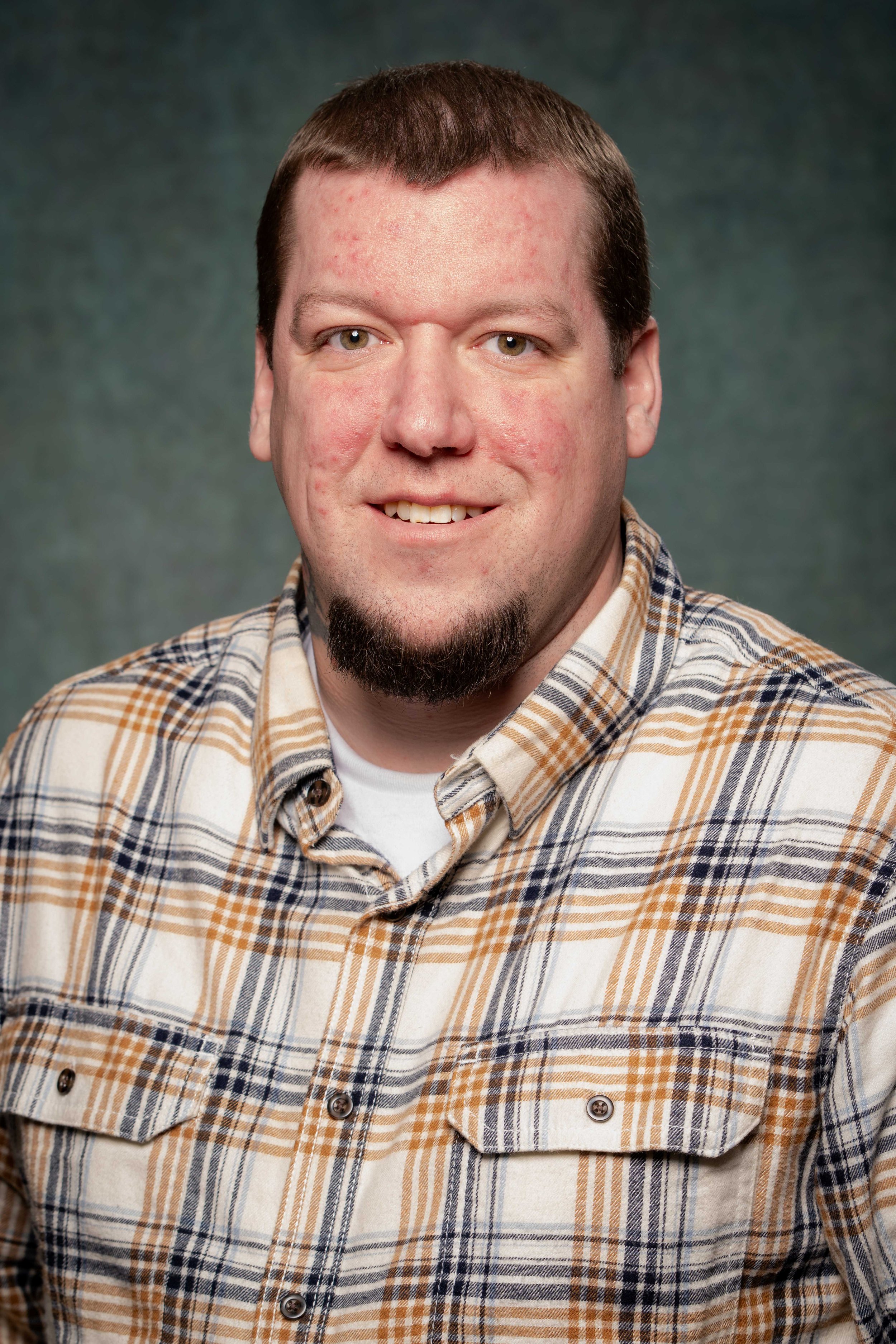
Scott Garrett
-
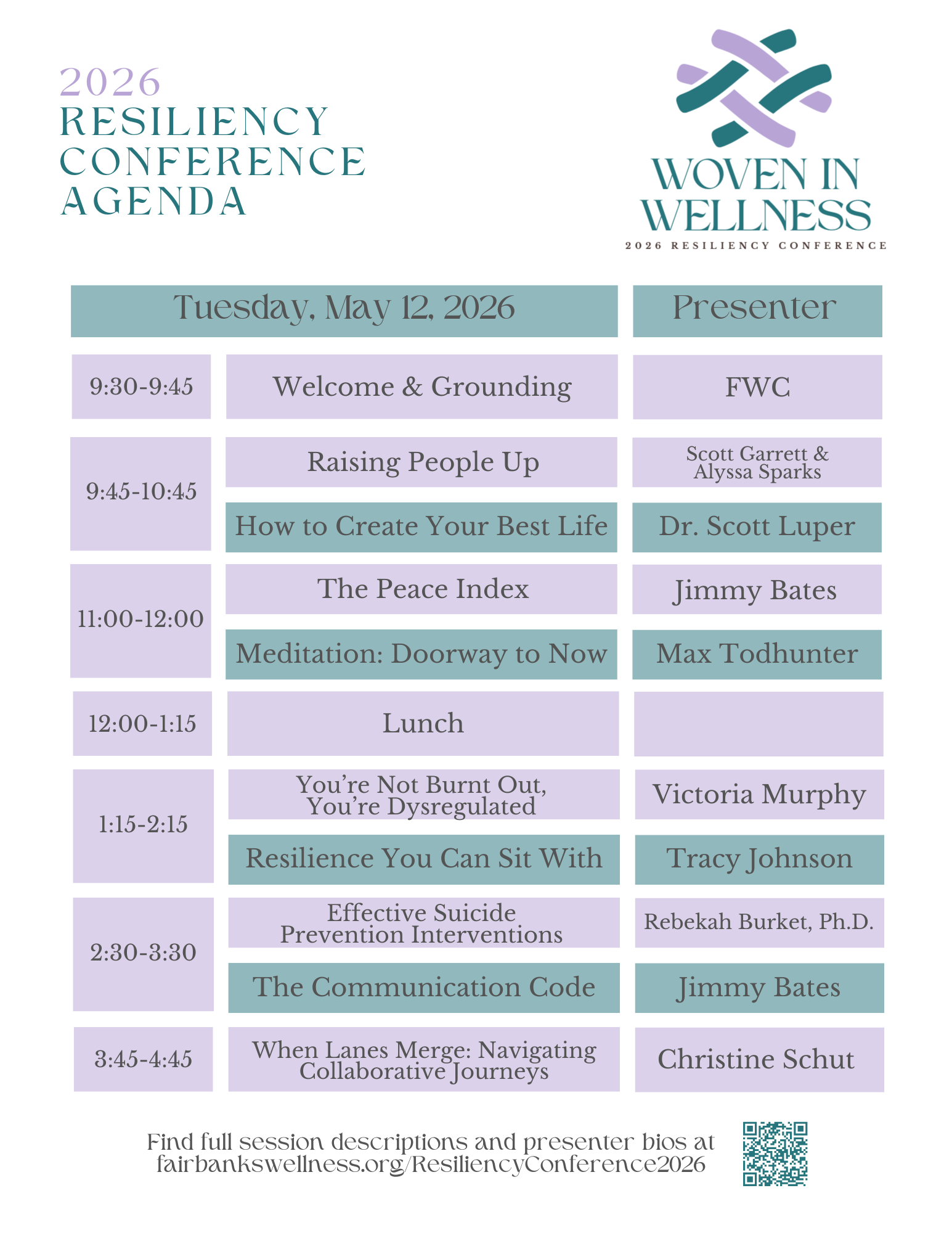
5/12 9:45-10:45
This session will allow you to reframe a persons' situation and bring them into solution. We will demonstrate this by using personal examples of how we have succeeded in rebuilding our lives. We will discuss what resilience means to us personally and allow for a Q&A at the end of our session for any clarifying questions.
-
My name is Scott Garrett, I would like to start off by saying I have been clean off drugs for around six years now, my drug of choice was meth. I started off as an IV user and ever since my first use could not stop chasing that feeling for the longest time. I was in my addiction to meth for over ten years, thankfully after many attempts to get clean and sober for myself and my children, one of them finally stuck. Today I am father to four boys and my stepdaughter, and I have the opportunity to role model for them in ways I never once imagined were possible. I also have the opportunity of working in a field where I have the chance to assist many other people who have lived very similar lives to my previous one. Today I am able to take pride in being a better son, father, and partner and I am able to take pride in the work that I do knowing that it makes a difference in the lives of others.
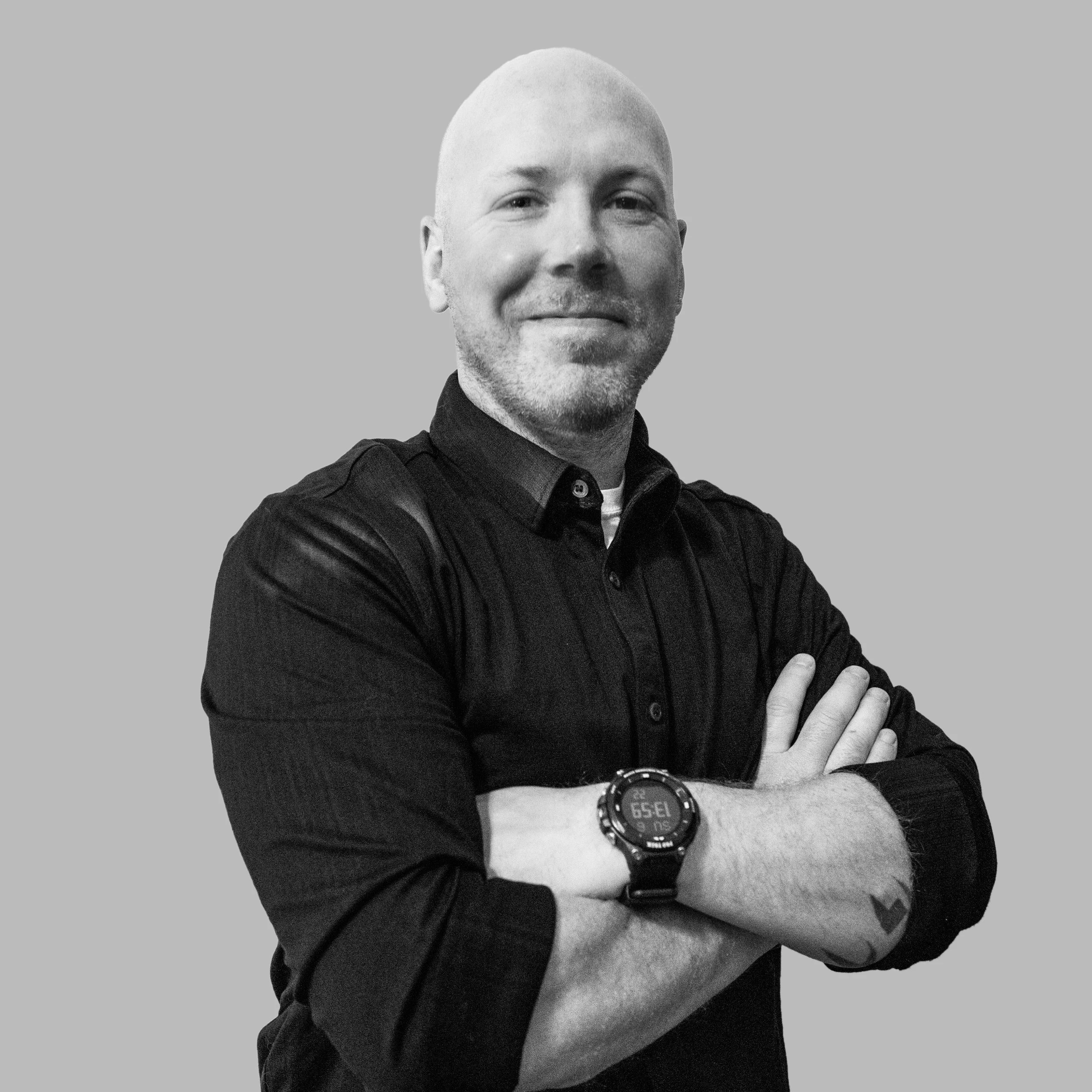

Victoria Murphy
-
5/12 1:15-2:15
Burnout is often framed as an individual problem—but what if it’s a nervous system and systems-level issue? In high-demand fields like education, healthcare, law enforcement, and prevention work, chronic stress and secondary trauma can lead to dysregulation, emotional exhaustion, and disconnection, all of which are key upstream risk factors for depression, substance use, and suicidal ideation. This session reframes burnout through a nervous system–informed lens, emphasizing capacity (not just resilience) as essential to sustainable well-being.
Grounded in the Shared Risk and Protective Factors (SRPF) framework and ACEs/PCEs research, this presentation explores how early adversity and chronic stress shape behavior and coping over time. Participants will learn practical, evidence-informed tools to support real-time nervous system regulation, both individually and within their organizations. Through accessible strategies and brief experiential practices, attendees will gain skills to reduce burnout, strengthen connection, and support prevention-focused care, helping individuals and systems move from reactivity toward resilience and long-term wellness.
-
Victoria Murphy, LCSW, RYT-200, is a Licensed Clinical Social Worker based in Fairbanks, Alaska, specializing in trauma-informed care for adults, including survivors of sexual violence and individuals experiencing combat-related PTSD. She is known for her compassionate, client-centered approach and for creating spaces grounded in safety, trust, and clinical integrity.
Victoria holds a Bachelor’s degree from the University of Alaska Fairbanks and a Master of Social Work from the University of Hawaii at Mānoa. She is also a Registered Yoga Teacher (RYT-200) and a Love Your Brain Level 1 Certificate holder, integrating somatic and mindfulness-based practices into her work. Her clinical training includes evidence-based modalities such as Cognitive Processing Therapy (CPT), Prolonged Exposure (PE), and Eye Movement Desensitization and Reprocessing (EMDR).
In addition to her clinical practice, Victoria is the founder of Fireweed & Cedar Wellness Collective, where she develops and implements integrative, prevention-focused approaches to mental health and community wellness. She is actively engaged in community-based mental health education, public speaking, and advocacy efforts aimed at reducing stigma and increasing access to care across Alaska. Her work emphasizes the integration of mind and body approaches to support sustainable healing and resilience at both individual and community levels.
Jimmy Bates
-
5/12 11:00-12:00
Most people don’t recognize they’re in crisis until it’s too late—but the warning signs were there long before. Stress builds quietly, shows up in our relationships, distorts our thinking, and often drives the very behaviors we’re trying to prevent. This session introduces the Peace Index, a practical, real-world framework that helps individuals identify internal pressure early—before it turns into burnout, conflict, substance misuse, or isolation. Instead of focusing on managing breakdowns, participants will learn how to catch misalignment in real time and take simple, intentional action to restore clarity and control. Through relatable examples and immediately applicable tools, this session reveals how internal chaos impacts communication, decision-making, and connection—and how small shifts can create meaningful change. The Peace Index also provides a shared language that works across roles and systems, helping teams, families, and communities move from disconnection to alignment. If we want healthier systems, we have to start with healthier individuals. Participants will leave equipped with practical strategies they can use right away to strengthen resilience, improve communication, and contribute to a more connected and proactive community.
-
Jimmy is the founder of AZiMUTH 180º, a leadership and culture development company focused on helping individuals, teams, and organizations build clarity, resilience, and healthier communication. With over two decades of leadership experience in high-stress environments, he specializes in translating complex human behavior into practical, easy-to-use tools that people can apply in everyday life.
His work centers on strengthening self-awareness, improving relationships, and equipping people to navigate pressure before it turns into conflict, burnout, or disconnection. Jimmy has worked with individuals, couples, and teams to build alignment and create healthier, more connected environments—both personally and professionally.
Rebekah Burket
-
5/12 2:30-3:30
Suicide is a serious matter that brings up considerable distress both for those affected and those who wish to help. Strategies for personal regulation of the nervous system will be included. Understanding the risk and resilience factors associated with suicide are offered as ways to increase awareness about suicide as a preventable public health issue as well as increase confidence about helping. Evidence based procedures for managing suicide risk including best practices for conducting risk assessment and brief safety planning interventions are shown. The presentation can be calibrated for clinical audiences seeking continuing education credit and/or bystander intervention for lay community members. The talk can be tailored for two speaker session with the second hour being applied practice to illuminate special considerations for youth, people in recovery, and prevention specialists.
-
Dr. Rebekah Burket has been providing mental health care and substance use treatment in Fairbanks since 2012. Her doctorate is in Clinical and Community Psychology with Rural and Indigenous emphasis from the University of Alaska Fairbanks in 2017.
As an integrative psychotherapist and life-long Alaskan, Dr. Burket draws upon her years of clinical experience as well as grit and resourcefulness that she learned growing up in rural Alaska.
Rebekah is a licensed clinical psychologist and specializes in suicide prevention, mental health resilience, and mindfulness-based, trauma-focused cognitive behavioral therapy (TF-CBT).
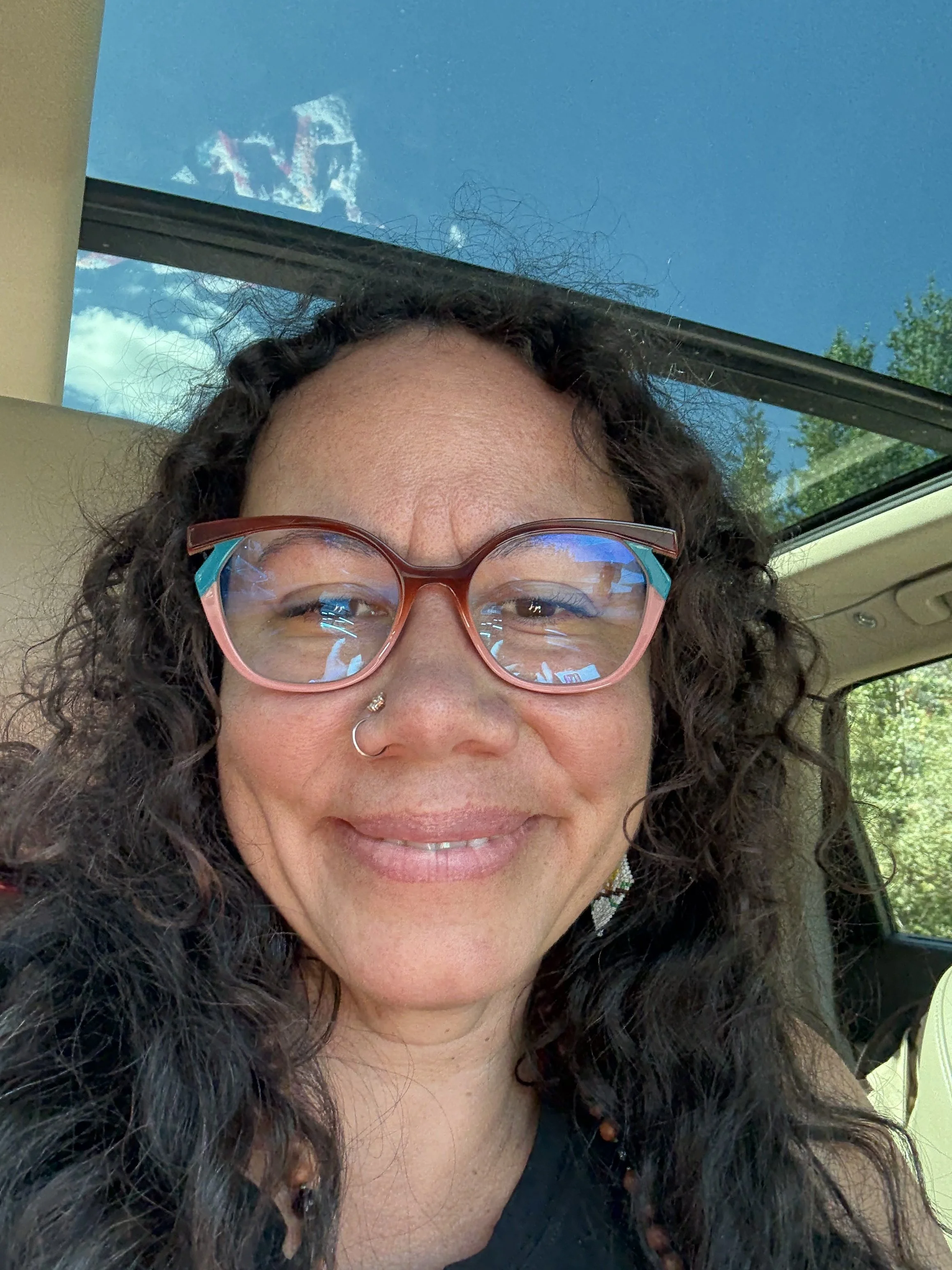
Karuna Linkhart
-
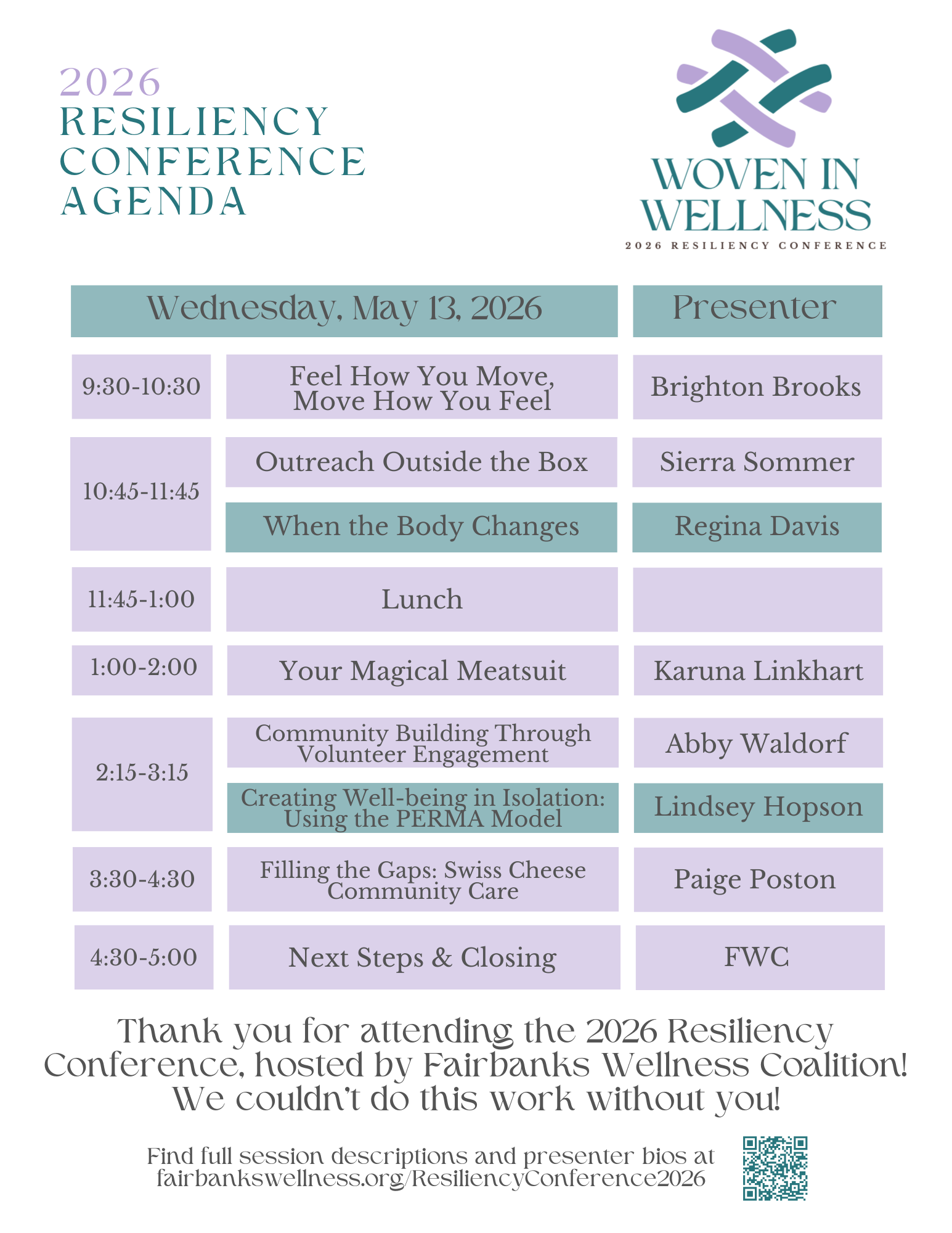
5/13 1:00-2:00
Your myofascial tissue is an electrical story of your entire life. Every moment good or bad. Trauma physical or emotional. It all gets stored in your body until it gets to fully release. This process can feel
Very painful and yet be very simple. Proper hydration, diaphragmatic breath and movement into your myofascial tissue allows the space to be healthy in your body to allow for the most healthy body to show up for you every day. Using the melt method when releasing your tissue and creating space is a wonderful way to connect and ground into yourself. The better grounded into ourselves that we are, the better we are alone, the better we are together and the better examples we set for our next generations.
-
Karuna Linkhart has been a body mechanic for decades. She reads body’s in stillness as well as movement the same way most people may read their favorite books. With that deep knowing of what comes next.
Her original plan was to graduate from UMass Lowell as a plastics engineer with a double major in patent law. Before she could finish she was in an awful car accident at 21 years old that changed her life forever. The next years she went on to have many adventures as well as careers.
Bartending was an easy and fun way to travel the world, meet people and try new things. The people skills she collected from this career led her towards a marketing sales career owning some of her own marketing firms around the country. Her constant inability to sit still and stick to one career path lead to massage therapy, wildland fire aircraft dispatcher, podcaster, barista, coach, educator, adventurer and eventually Yoga Studio and Healing Center Owner.
This is where she discovered her calling. Throughout all of these years, careers, cities and towns she realized she had always done one thing. Asked questions and researched and learned about bodies. She had always been a body mechanic, she had always had a scientists mind, it was time to put the two together and create a healing movement. Karuna is certified in many different yoga modalities, myofunctional modalities, energy healing modalities, neuroscience education and more. Most importantly she has mastered the art of asking why? Karuna enjoys the adventure of helping you find a healthy relationship to pain. The pain is the body asking for attention. Through listening to the physical, emotional, mental, spiritual, energetic, and generational traumas and micro stressors that affect us everyday we can feel and hear what change needs to happen. Karuna enjoys empowering her community to heal themselves with the simple things. The free things available to all of us. Water, proper breath, movement in the body and space in the myofascial tissue.
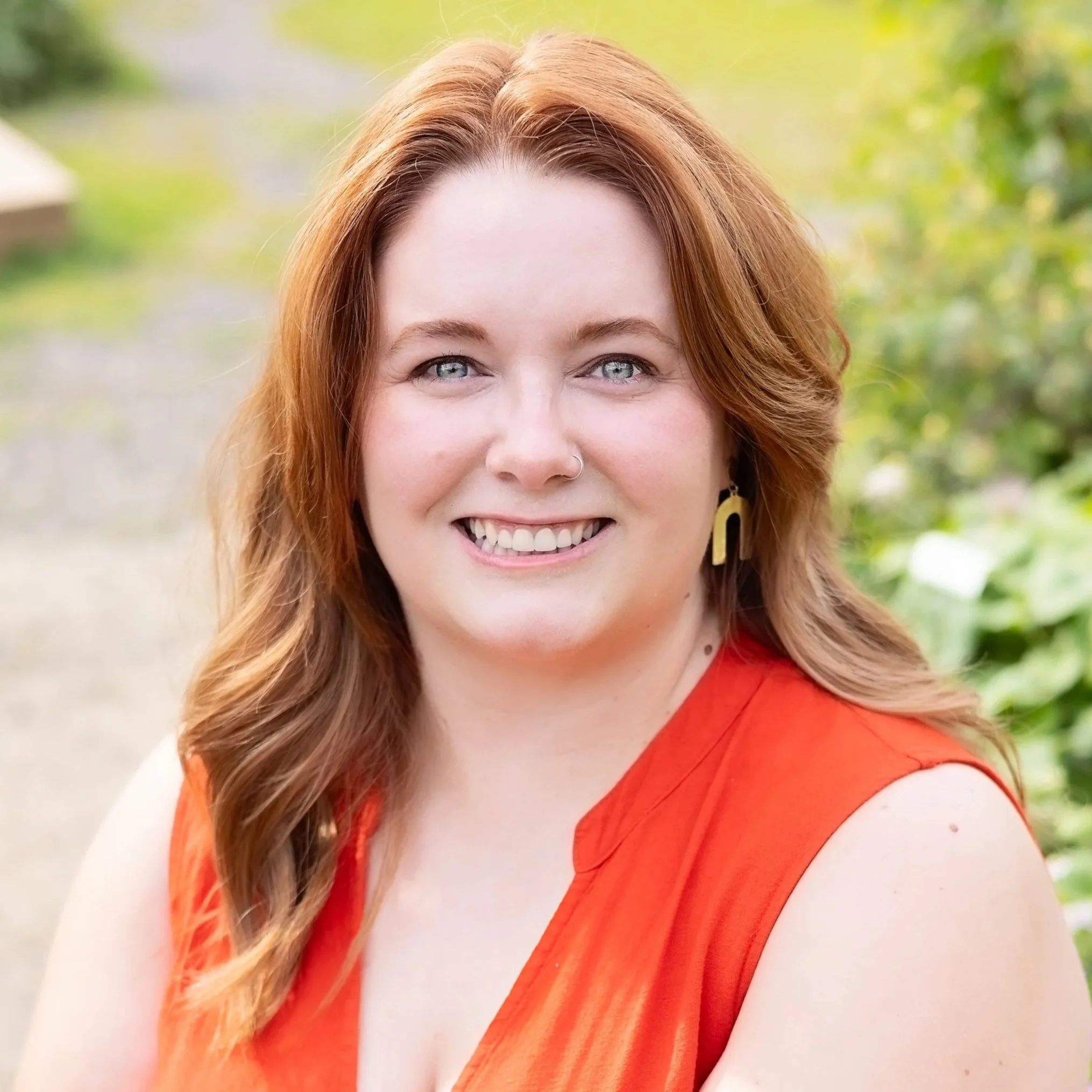
Paige Poston
-
5/13 3:30-4:30
We’ll explore a “Swiss Cheese” approach to self-care to create a layered and comprehensive self-care plan. We’ll also discuss shared risk and protective factors and how community care and upstream prevention work together.
-
Paige has been the FWC Coordinator since October 2023. During her tenure, she’s committed herself to learning as much as possible about prevention strategies such as shared risk and protective factors. As someone with lived experiences, Paige is passionate about mental health and is excited to share that knowledge in a fun and accessible way!
Alyssa Sparks
-
5/12 9:45-10:45
This session will allow you to reframe a persons' situation and bring them into solution. We will demonstrate this by using personal examples of how we have succeeded in rebuilding our lives. We will discuss what resilience means to us personally and allow for a Q&A at the end of our session for any clarifying questions.
-
Hello, my name is Alyssa Sparks I am a mother, a student at UAF and a PSPII, working with TCC Reentry as a Case Manager. I was an addict for over 20 years and have been sober for 4 years now. My pride for our local community and commitment to support and promote change has guided me into this field and supported my own recovery and growth as a person.
Lindsey Hopson
-
5/13 2:15-3:15
This interactive workshop introduces participants to the PERMAH model of well-being, developed by Dr. Martin Seligman, as a practical framework for building resilience across everyday life. Designed for all ages, the session translates positive psychology into simple, actionable strategies that enhance emotional strength, connection, and performance under stress. Through guided activities, reflection, and a brief real-life story, participants will explore the six elements of well-being: Positive Emotion, Engagement, Relationships, Meaning, Accomplishment, and Health. Attendees will practice skills such as recognizing small wins, strengthening social support, and using breathing techniques to regulate stress in real time. The workshop emphasizes that resilience is not built through major life changes, but through consistent, small actions. Participants will leave with a personalized PERMAH-based plan that can be applied immediately in school, sport, work, and daily routines to support long-term well-being and personal growth.
-
Lindsey Hopson is a Sport and Performance Psychology Professional in the Fairbanks area. She is originally from Houston, TX. Lindsey moved to Alaska in 2020 to work with the U.S. Army as a Performance Expert at Fort Wainwright. She has the honor of training the United States Army in Resilience, Mental Performance skills, and academic training. She utilizes skills such as energy management, confidence-building, and goal setting to enhance the performance and daily lives of soldiers and local athletes.
Lindsey earned her Bachelor of Science degree in Kinesiology from the University of Houston. She went on to earn her Master of Education degree in sports leadership and positive coaching from the University of Missouri and a PhD in Performance Psychology at Grand Canyon University. Her passion for Sports Psychology began with her own athletic journey, which, unfortunately, ended with an injury. Lindsey is passionate about helping athletes remain resilient and mentally tough, not only in sports but also in life.
In addition to her work for the military, Lindsey serves as a Mental Performance Coach for athletes at the University of Alaska Fairbanks. There, she conducts team sessions and one-on-one sessions that help strengthen, protect, and bolster the mental factors that are a large part of sports.
Practicing the growth mindset mentality she teaches, Lindsey has now developed a new love for a different sport. She has found joy in becoming an avid skier here in Alaska. Other hobbies she has include painting, cooking, and reading.
Tracy Johnson
-
5/12 1:15-2:15
Resilience doesn’t always look like pushing harder—sometimes it begins with learning how to pause, breathe, and reconnect with yourself. This experiential workshop introduces chair yoga as a practical, accessible tool for managing stress and building resilience in everyday life. Designed for all bodies—including beginners, older adults, and those who may feel intimidated by traditional yoga—this session focuses on simple, effective practices that support the nervous system in real time. Participants will be guided through gentle seated movement, breathwork, and a short relaxation practice that can be used at work, in classrooms, in recovery settings, or at home. These techniques help reduce tension, improve focus, and strengthen protective factors such as self-regulation and body awareness. No prior experience is needed, and no floor work is required. Participants will leave with a few practical tools they can use immediately for themselves and share within their communities. This workshop reframes resilience as something that can be practiced in small, sustainable ways—making it approachable, inclusive, and truly usable in daily life.
-
Tracy Johnson is a 500-Hour Registered Yoga Teacher (E-RYT 500) and the owner of Alaska Mobile Yoga. With over 25 years of teaching experience, she specializes in making yoga accessible for people who don’t think they are “yoga people,” including beginners, older adults, and those seeking a gentle, supportive approach.
Her work focuses on practical, real-life application—helping individuals regulate stress, improve mobility, and build sustainable habits through chair yoga, gentle yoga, and yoga Nidra. Tracy offers private sessions, small group classes, and community-based programming in Fairbanks, Alaska, as well as online.
Max Todhunter
-
5/12 11:00-12:00
Meditation tends to be misunderstood. Misunderstood, it tends to be practiced with unreasonable expectations that can be barriers either to starting a practice or to continued practice. Several misperceptions are that meditation is for bliss or checking out, makes a person empty, requires a lot of time, requires a high level of concentration, or is physically challenging. This session will address each of those misperceptions. There will be three opportunities to engage in short practices of different types of meditation. Each practice will be accompanied by instruction on the function of various tools and techniques for that particular approach. The topic will be presented in a non-sectarian format that can be applied by anyone or to anyone’s approach to life. The session will be practiced with maximum empathy and compassion for self and others, with no shame, and no performance pressure.
-
Sarah (she/her) is a nonprofit executive and co-owner of Paradise Plant Co., a plant shop she runs with her partner. During the pandemic, she discovered the healing power of plant care—how nurturing living things can reduce stress, create routine, and promote mindfulness. Now, she shares that connection through workshops that explore the link between tending plants and tending to your own mental wellness.
-
5/12 3:45-4:45
As we see fewer funding resources, the need for collaborative efforts between agencies increases. We have likely all heard the phrase “stay in your lane”, and while this is a good rule to live by, we are at a point in the journey at which we need to help those lanes merge. This presentation focuses on how we can leave our personal and agency egos at the door and come together in a spirit of collaboration to build community resources.
-
Christine is a Licensed Clinical Social Worker currently providing trauma therapy for children who have experienced maltreatment. She is an Adjunct Professor at University of Alaska Fairbanks in the Social Work Department. Christine loves books, cats, social justice, and cheese, not necessarily in that order.
Christine Schut
Sierra Sommer
-
5/13 10:45-11:45
Traditional outreach strategies often miss the very people who need support the most. In a world where connection looks different than it did even a few years ago, suicide prevention requires us to rethink how—and where—we show up.
In this session, we’ll explore an “outside the box” approach to outreach that centers on meeting people where they are—physically, emotionally, and culturally. Drawing from real-world experience in suicide prevention, this session will highlight creative, nontraditional engagement strategies that build trust, reduce stigma, and open the door to meaningful connection.
Attendees will walk away with practical ideas for expanding their outreach efforts, tools for connecting with hard-to-reach populations, and a fresh perspective on how small shifts in approach can lead to life-saving impact.
This session is ideal for outreach workers, educators, healthcare professionals, and anyone involved in mental health or community engagement who is looking to deepen their impact and reach beyond traditional methods.
-
Sierra is a suicide prevention advocate committed to changing how we connect with people in need. With a focus on “outside the box” outreach, their work centers on meeting individuals where they are and creating safe, genuine spaces for conversation and support.
Drawing from real-world experience, Sierra is passionate about helping others rethink traditional methods, reduce stigma, and build connections that can truly save lives.
Abby Waldorf
-
5/13 2:15-3:15
-
Abby manages the Bread Line’s weekday soup kitchen, the Stone Soup Cafe. Her excitement for getting food into bellies has led her to various food jobs from New York to Alaska and a few states in between. Although initially searching for a winter job, Bread Line's vast and dedicated community has held Abby in her current position for nearly 5 years now.
Dr. Scott Luper
-
5/12 9:45-10:45
This workshop is for those people who have detoxed and are not using, but are struggling with putting together a life that works. Symptoms like headaches, insomnia, tiredness, anxiety and upset stomach are what most people are left with once they stop using. This work shop will help you to put together a pattern of living that clears these symptoms and gets you feeling good for real.
-
Dr Luper helps people create healthy living patterns. He practices at White Spruce Medical in Fairbanks Alaska.
Regina Davis
-
5/13 10:45-11:45
Medical conditions, hormonal shifts, and aging‑related changes often reshape how individuals experience desire, intimacy, and connection—yet these impacts are frequently overlooked or treated separately within medical and mental health systems. This session explores the mental health and relational conditions that emerge when bodies change, highlighting how shifts in sexual function, identity, and self‑worth influence emotional wellbeing and partnership dynamics. By helping medical providers connect, communicate, and collaborate more effectively with mental health and integrative sex‑counseling professionals, we can break long‑standing silos and create a more cohesive, patient‑centered model of care.
Participants will learn collaborative frameworks for sexual wellness that bridge medical treatment with integrative sex and couples counseling. These frameworks offer shared language, coordinated care pathways, and a holistic understanding of how illness, hormones, and aging shape intimacy and relational resilience. The session will also outline the structure of both individual and couples counseling models that address sexual wellness, emphasizing Sex‑esteem, relational attunement, and embodied healing practices.
Finally, we will explore how individuals and couples can learn to accept current changes while discovering new opportunities for growth, pleasure, and connection. By reframing sexual wellness as a pathway to resilience across the lifespan, this session invites providers to support patients not only in managing symptoms, but in reclaiming intimacy, identity, and relational strength through truly collaborative care
-
I’m Regina—a relational therapist rooted in Fairbanks, Alaska, where long winters teach us about endurance, tenderness, and the quiet power of connection. The Center for Relational Health is not a physical place; it’s a metaphor for the space we create together. A center that lives inside relationships—between partners, within the self, and in the communities that hold us. It’s the place where healing becomes possible because we are no longer doing it alone. My path began in community mental health, walking alongside families navigating addiction, complex mental health needs, and the weight of systems not built with them in mind. Those years taught me that healing is never just individual—it’s contextual, embodied, and shaped by the stories we inherit and the ones we choose to rewrite.
I hold a Master’s in Clinical Social Work and completed a three‑year post‑graduate training program at the Ackerman Institute for the Family, one of the nation’s leading centers for relational and family therapy. These foundations continue to anchor my work in depth, rigor, and a deep respect for the complexity of human relationships. My approach is trauma‑informed, attachment‑based, feminist, and grounded in an integrative sex and couples counseling framework. This therapeutic lens brings together relational therapy, sex therapy, intimacy counseling, and body‑based awareness. In everyday language, it means I look at the whole picture—your emotions, your body, your history, your identity, your relationships, and the ways they all shape desire, pleasure, and connection. Integrative work helps people feel more at home in themselves and more connected with the people they love.
I’m currently training as a Clinical Sexologist through the International Institute for Clinical Sexology, expanding my ability to support individuals and couples in navigating sexual concerns, exploring desire, healing from sexual pain or disconnection, and cultivating more satisfying intimate lives. Across more than a decade of practice, I’ve had the honor of sitting with individuals, couples, and groups through the tender, messy, transformative work of becoming more fully themselves. If you’re longing to reconnect—with your partner, with your body, or with your own sense of aliveness—I’d be honored to walk with you.
Brighton Brooks
-
5/13 9:30-10:30
Learn how to move confidently toward your goals by exploring the connection between body and mind using simple somatic exercises. After a brief introduction to somatics, the presenter will lead participants through a personal movement inventory designed to enhance embodied awareness, cultivate curiosity, and engage play and imagination.
-
Brighton Brooks, owner of Fairbanks Somatic Therapy and Wellness, is a registered dance/movement therapist and licensed professional counselor on the land stewarded by the Dena'ina. They facilitate integrative arts experiences therapeutically as well as engaging in creative group improvisation and performance art to seek and support connections while challenging oppression and discrimination.
Frequently Asked Questions:
-
Each year, FWC hosts a FREE educational event to learn about mental health, wellness, and resilience! The goal is to use this knowledge to build a more resilient community.
-
Nope! While we have two packed days of amazing sessions and workshops, we know that not everybody can take two full days out of their busy lives. So if there's a specific session you're interested in, you're welcome to just attend that one!
-
Unfortunately we don't have recording capabilities for this conference, but we're looking into it for next year!
-
Yes, we'll have some breakfast items available and lunch will be provided by Midnight Sun Catering on both days. We’ll also have snacks and drinks!
-
Nothing! Just like all FWC events, this is fully funded by a grant from the State of Alaska so it's completely free and open to the public!
-
We're providing tote bags which will include a notebook and pens for note-taking! Outside of that, bring whatever will make you comfortable so you can absorb all the knowledge
-
The conference is Tuesday 5/12 and Wednesday 5/13 at the Gym at City Hall. The address is 645 8th Ave. You may be more familiar with the space as the former Boys and Girls Club. Doors will open at 9am, and the first session will start at 9:30am each day. We're planning for it to end by 5pm each day.
-
We all know that parking can be limited downtown.
There will be some parking available in the parking lot of the former Boys and Girls Club - we ask that you save that parking for our friends with limited mobility.
There is street parking on 8th Ave, and you can park in surrounding parking lots like the police station or the Sadlers lot.
-